 Facebook
 X
 Pinterest
 Copy Link
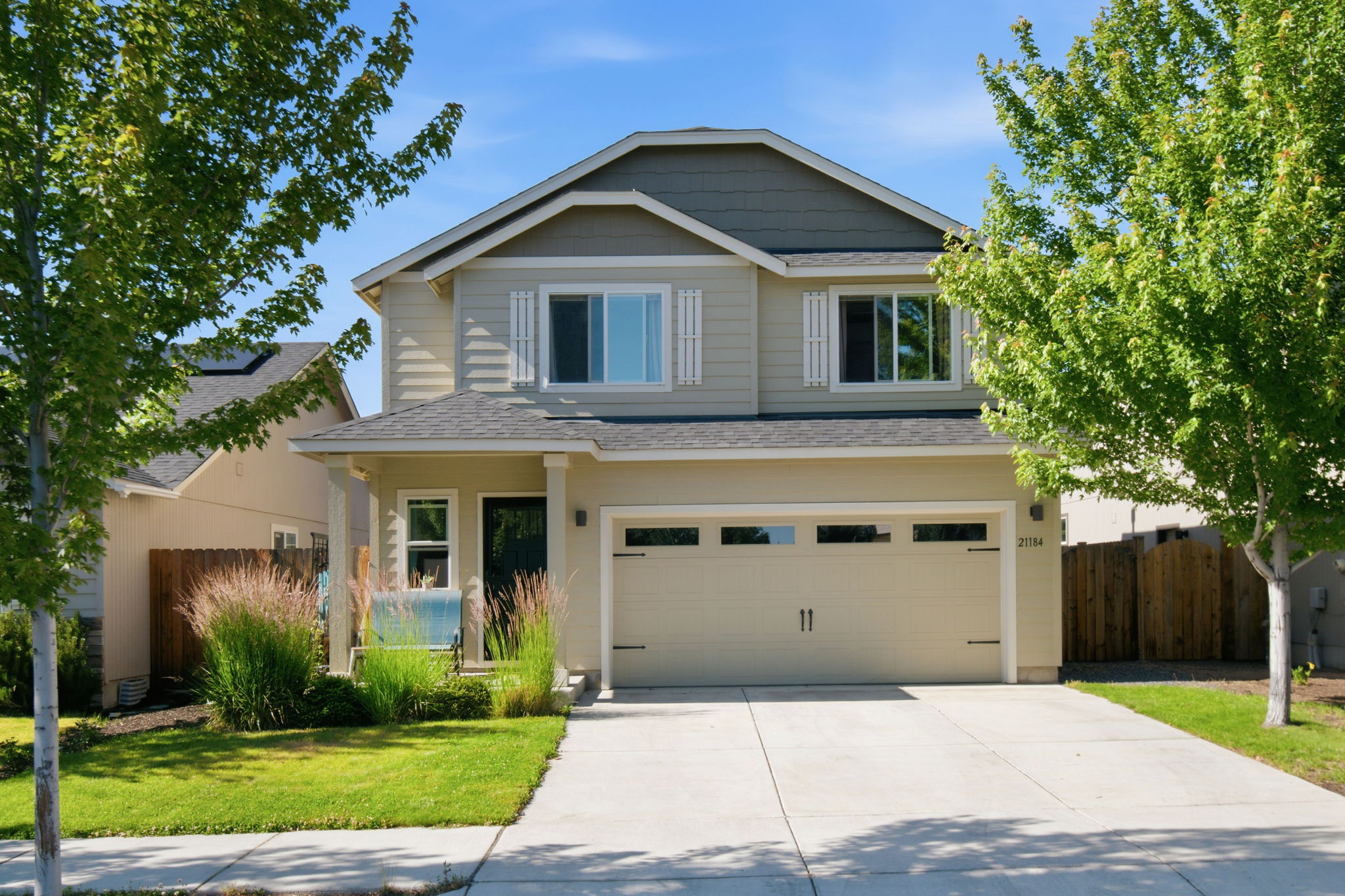
Buying your first home is an exciting milestone, but it doesn’t necessarily mean you’ve found your forever home. As your lifestyle, family, or financial goals change, you may start wondering how long you should stay in your starter home before making your next move.
Whether you’ve recently purchased your first property or have been in your home for several years, understanding when it makes sense to move can help you make a confident decision.
What Is a Starter Home?
A starter home is typically a buyer’s first property. It may be smaller, more affordable, or offer fewer features than the home they eventually hope to own.
For many buyers in Bend and Central Oregon, a starter home is an opportunity to enter the real estate market, begin building equity, and establish a foundation for future homeownership.
Starter homes can include single-family houses, townhomes, and condominiums. What matters most is finding a property that fits your current needs and financial situation.
How Long Should You Stay in Your Starter Home?
There’s no universal rule for how long you should stay in your first home. While some homeowners move after a few years, others discover that their starter home continues to meet their needs much longer than expected.
A common planning guideline is to consider staying at least five years, but that isn’t a requirement or a guarantee of financial benefit.
Your ideal timeline depends on several factors:
- Home equity: How much equity have you built through mortgage payments and changes in property value?
- Market conditions: What could your home sell for in today’s market?
- Selling expenses: Would the proceeds from selling cover your remaining mortgage balance, transaction costs, and moving expenses?
- Lifestyle changes: Does your current home still accommodate your needs?
- Financial readiness: Are you comfortable with the costs of purchasing and maintaining another property?
Rather than focusing on a specific number of years, consider whether moving makes sense for your current circumstances.
Signs You May Be Ready to Move Beyond Your Starter Home
Your Space No Longer Fits Your Needs
Perhaps you’re working from home more often, planning for a growing household, or simply looking for additional storage and living space.
If your current home’s layout is becoming a daily challenge, it may be time to explore other options.
Your Financial Situation Has Changed
Changes in income, savings, or financial priorities can influence what you’re comfortable spending on a home.
Before upgrading, consider your potential mortgage payment, property taxes, insurance, maintenance expenses, and other ongoing costs.
You’ve Built Equity in Your Current Home
Home equity is the difference between your property’s market value and the amount you owe on your mortgage.
Depending on your financial position and selling expenses, that equity may help fund the down payment on your next home.
However, equity isn’t guaranteed to increase, and it’s important to understand your estimated net proceeds before making plans.
Your Long-Term Goals Have Shifted
Your priorities may look different than they did when you purchased your first home.
You might want a larger yard, a different neighborhood, more privacy, or easier access to work and recreation.
For some Central Oregon homeowners, the next move might mean relocating within Bend, exploring Redmond or Sisters, or finding a property with additional acreage.
Should You Sell Your Starter Home or Stay Longer?
Before deciding to sell, it’s helpful to compare the benefits of staying with the potential advantages of moving.
Reasons to consider staying:
- Your home continues to meet your everyday needs.
- Your current housing expenses fit comfortably within your budget.
- Selling and purchasing another property would create unnecessary financial pressure.
- You’re happy with your neighborhood and location.
Reasons to consider moving:
- Your home no longer fits your lifestyle.
- You’re financially prepared for a different property.
- Your long-term goals would be better supported by another home.
- The potential sale proceeds and costs of moving make sense for your situation.
Neither option is automatically better. The right decision depends on your priorities and the numbers behind the move.
What Should Bend Homeowners Consider Before Selling?
The Central Oregon real estate market can vary by neighborhood, property type, price range, and season.
Before listing your starter home, consider taking these steps:
- Understand your home’s current market value. A comparative market analysis can help establish a realistic pricing range based on recent sales and competing listings.
- Estimate your selling costs. Account for your mortgage payoff, negotiated transaction expenses, potential repairs, and moving costs.
- Explore your next-home options. Review available properties and determine what fits your budget and preferences.
- Review your financing. Speak with a mortgage professional about your purchasing power, current loan options, and expected monthly payments.
- Plan your timing. Consider whether you would prefer to sell before purchasing or explore other arrangements with your real estate professional.
Taking these steps early can help you avoid surprises and approach your next move with a clearer plan.
Is Buying a Starter Home Still Worth It?
For first-time buyers, purchasing a starter home can be a practical way to begin homeownership without immediately stretching for a larger or more expensive property.
However, buying isn’t automatically the best choice for everyone.
Consider how long you expect to remain in the area, your available savings, your monthly housing budget, and the costs of maintaining a property.
If you’re just beginning your search, our Buying a Home in Bend, Oregon guide offers additional information to help you get started.
Planning Your Next Move in Bend or Central Oregon?
Whether you’re purchasing your first starter home, considering an upgrade, or deciding whether to stay where you are, having a clear understanding of your options makes a difference.
At Duke Warner Realty ERA Powered, our agents help buyers and sellers throughout Bend and Central Oregon navigate their real estate decisions with local market knowledge and personalized guidance.
If you’re thinking about selling, explore our Selling a Home in Bend, Oregon guide to learn more about preparing for the process.
Your first home may not be your forever home, but deciding when to make your next move should always happen on your timeline.
